





The Importance Of Prototypes In Plastic Manufacturing
In plastic manufacturing, a prototype takes the form of a preliminary sample or model of a product that is built before committing to full production tooling. It is incredibly important as it allows manufacturers to test, refine, and validate designs at a much lower cost and faster pace than going straight into full production.
Prototypes can bring a product to life before investing in moulding tools, which provides the opportunity to catch problems before they become expensive mistakes.
Here, Ansini, specialist plastic manufacturers look at the role of prototypes in plastic manufacturing and why they are so important.
[edit] What is prototyping?
A prototype is an early sample of a product that is made to test a concept, design, or process. In plastic manufacturing, prototypes can be made in a number of different ways including 3D printing, which is a quick and affordable option that is useful for checking the appearance and fit of a product.
There is also CNC machining which carves a solid plastic block into a shape to give a more durable and functional prototype, or vacuum casting which produces small runs using silicon moulds, which are great for testing the look and feel of a product. Prototype injection moulding is the closest option to mass production and comes at a higher cost but is highly accurate.
It is important to remember that prototypes are concept models that can show stakeholders what to expect, or they can act as a functional prototype to help test performance.
[edit] Why businesses should use prototypes
The main function of a prototype is to help avoid design flaws as early in the development process as possible. CAD models can look perfect on a screen but may hide a number of flaws. With the help of prototypes, it is much easier to reveal real-world problems and fix them efficiently.
They can also help to test functionality as parts can be put through varying degrees of stress, temperature, or assembly conditions to make sure they work as intended. When a new product is being brought to life, stakeholders will often want to see it for themselves so that they can approve any investment. These physical prototypes make that much easier and can therefore speed up the approval process.
Prototypes have also proved extremely effective in reducing waste costs. If an error is discovered after expensive steel moulds have been made, it can cost thousands of pounds to fix. Prototyping can help to avoid this by highlighting mistakes before they cost a fortune. They can also be responsible for making the time-to-market much faster. 3D prints can be made overnight, and feedback gathered within hours to accelerate the path to launching any new product.
[edit] Choosing the right prototyping method
When embarking on a prototyping process, it is important to choose the right method. 3D printing is fast, cheap and ideal for early visualisation and design validation, whilst CNC machining is much better for mechanical testing as it produces stronger parts. Vacuum casting produces a realistic finish in small runs, and prototype injection moulding creates accurate representations of the final product. The choice of materials that are used is also very important as you should select a plastic that is close to the intended production material. This will help to ensure that any test results are valid.
Prototyping is an important stage in any product development and should not be seen as an optional extra. It can not only help to reduce risk, but it can also save money and speed up the time-to-market. With early testing of the form, fit, and function, businesses can be more confident in their product before they invest in a full production process, whilst companies who skip this step will often face delays and costly mistakes.
Featured articles
Check out some of the best features and news from Designing Buildings as well as key stories from around the web.

The Master Builder: William Butterfield and his times. Book review.

Why construction can't afford to ignore the skills gap.
Building Safety Regulator, 19 August

Gill Kernick appointed Independent Chair of Residents’ Panel.
Connecting knowledge, technology and conservation
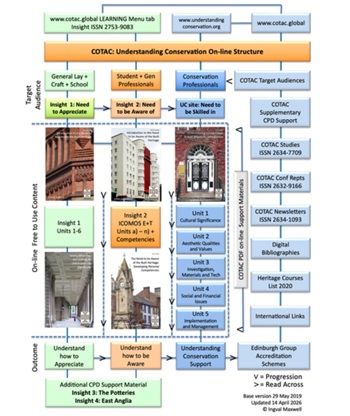
Building competence for the future of built heritage.
Building Regulations and Building Safety Act
CIOB publishes free advice for non-domestic clients.
Building Safety Newsletter from MHCLG.
An extraordinary record of steel engineering worldwide.

Households living near new pylons to save on bills.

ECA warns growth must not outpace grid capacity or skills.
The role of the client and decision making

CIOB response to built environment professions call for evidence.
Construction's sustainability reporting revolution
Tracking upfront embodied carbon with digital tools.
ECA welcomes procurement reforms

Public spending must back British jobs and skills.